Archives
- 2026-06
- 2026-05
- 2026-04
- 2026-03
- 2026-02
- 2026-01
- 2025-12
- 2025-11
- 2025-10
- 2025-09
- 2025-03
- 2025-02
- 2025-01
- 2024-12
- 2024-11
- 2024-10
- 2024-09
- 2024-08
- 2024-07
- 2024-06
- 2024-05
- 2024-04
- 2024-03
- 2024-02
- 2024-01
- 2023-12
- 2023-11
- 2023-10
- 2023-09
- 2023-08
- 2023-06
- 2023-05
- 2023-04
- 2023-03
- 2023-02
- 2023-01
- 2022-12
- 2022-11
- 2022-10
- 2022-09
- 2022-08
- 2022-07
- 2022-06
- 2022-05
- 2022-04
- 2022-03
- 2022-02
- 2022-01
- 2021-12
- 2021-11
- 2021-10
- 2021-09
- 2021-08
- 2021-07
- 2021-06
- 2021-05
- 2021-04
- 2021-03
- 2021-02
- 2021-01
- 2020-12
- 2020-11
- 2020-10
- 2020-09
- 2020-08
- 2020-07
- 2020-06
- 2020-05
- 2020-04
- 2020-03
- 2020-02
- 2020-01
- 2019-12
- 2019-11
- 2019-10
- 2019-09
- 2019-08
- 2019-07
- 2019-06
- 2019-05
- 2019-04
- 2018-11
- 2018-10
- 2018-07
-
Sorafenib was the first small RTK inhibitor drug to be
2024-05-17
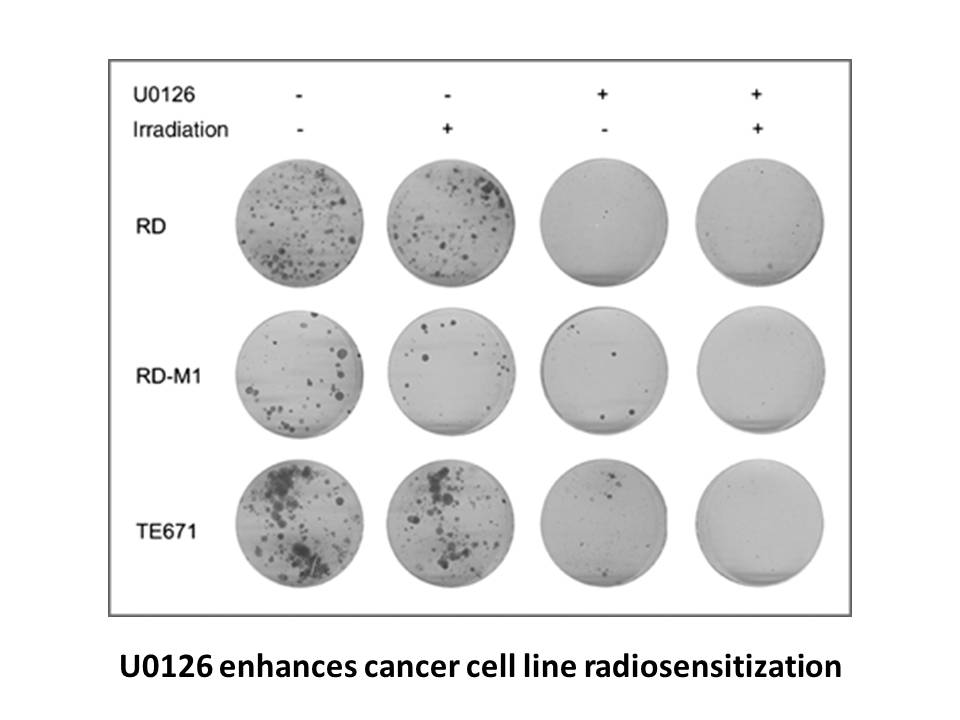
Sorafenib was the first small RTK inhibitor drug to be developed and was initially approved against renal cell carcinoma, then against hepatocellular carcinoma (HCC) and more recently for differentiated thyroid treatment [111]. Sunitinib soon followed, being approved for gastrointestinal stromal tum
-
br Acknowledgements This work was supported by National Natu
2024-05-17

Acknowledgements This work was supported by National Natural Science Foundation of China (Nos. 21376172, 21528601 and 21621004) and the Natural Science Foundation of Tianjin from Tianjin Municipal Science and Technology Commission (Contract No. 16JCZDJC32300). Introduction Alzheimer’s disease
-
On the other hand there was no difference in effectiveness
2024-05-17
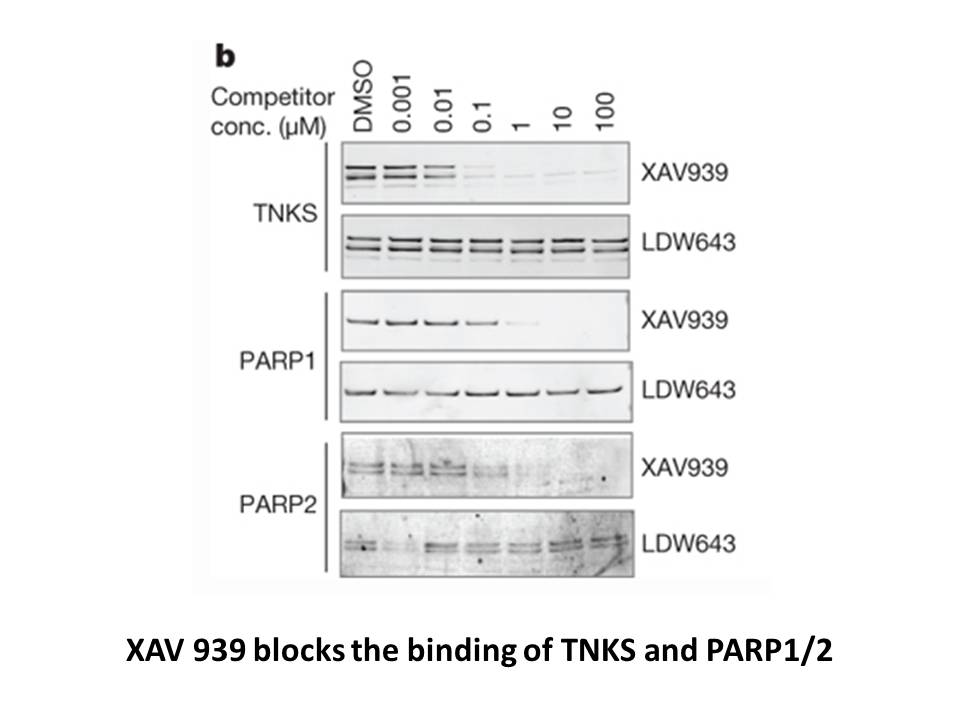
On the other hand, there was no difference in effectiveness performing ALK by FISH with regard to the sample site. When it was extracted from the primary tumor, we obtained 27.4% of not-evaluable specimens. Similar percentages were found for node (26.7%) and Carbenicillin (31.3%) samples (p = 0.903
-
br Aldehyde sensors to monitor substrate levels
2024-05-17
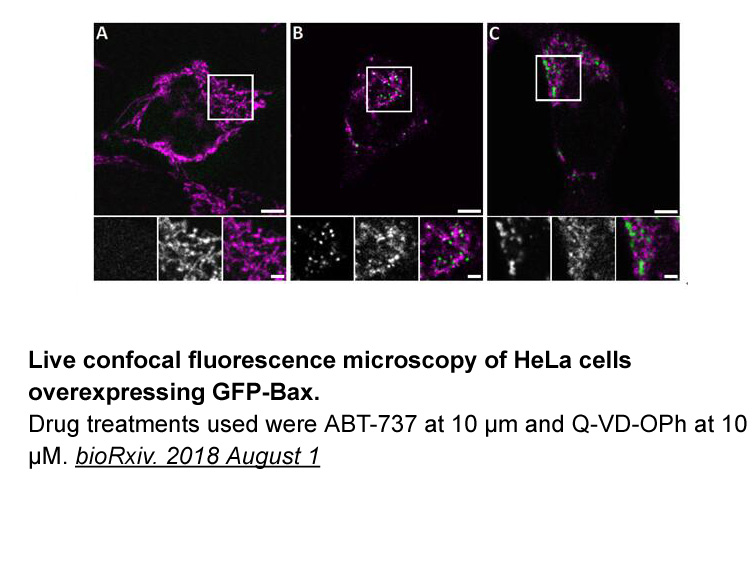
Aldehyde sensors to monitor substrate levels Previous efforts to ameliorate metabolic diseases frequently relied on biochemical methods which could measure the levels of toxic substrates in DHEA or bodily fluids (blood and serum or plasma, urine, cerebrospinal fluid). Therapeutic efforts to decre
-
br Regulation of AHR Activity
2024-05-17
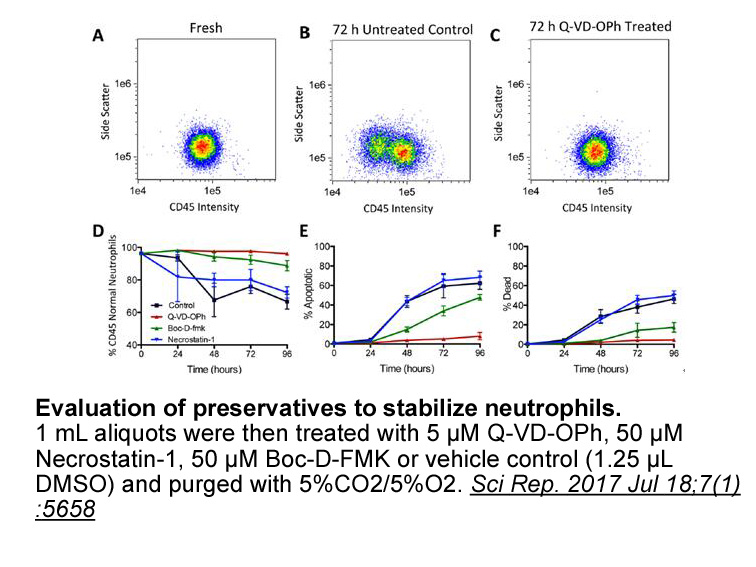
Regulation of AHR Activity AHR activity is regulated in various ways. First, AHR protein levels are controlled via ubiquitin-mediated proteosomal degradation: Ligand binding induces AHR ubiquitination and subsequent degradation by the proteasome [5]. AIP, a component of the AHR chaperone complex,
-
Introduction Glaucoma consists of a group of eye diseases
2024-05-17
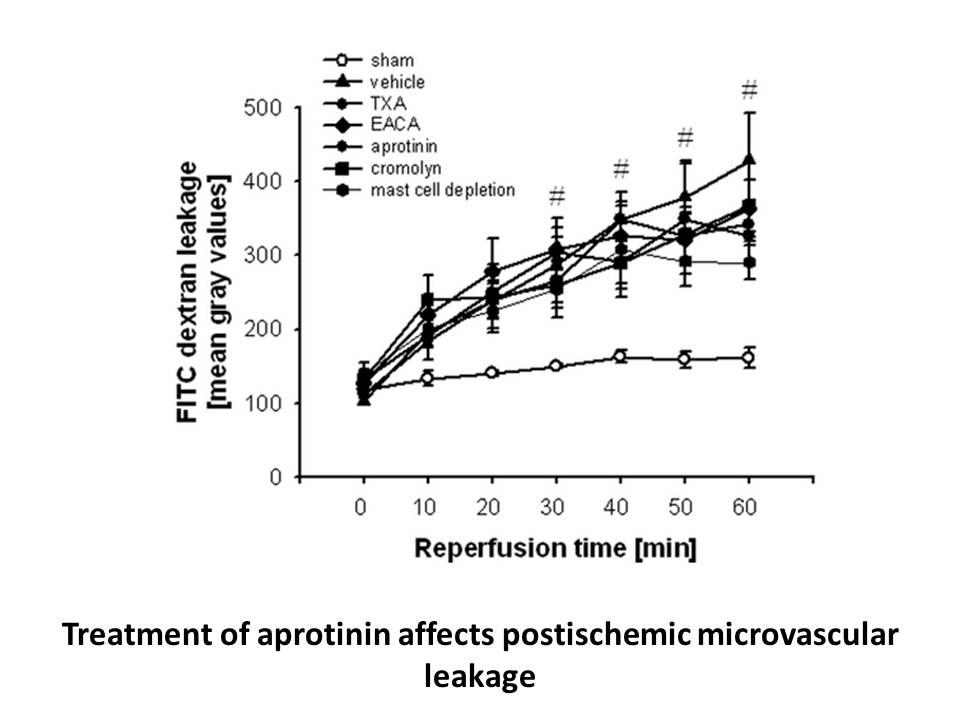
Introduction Glaucoma consists of a group of eye diseases showing a broad spectrum of clinical presentation and unknown aetiologies, that lead to a permanent loss of visual function due to the death of retinal ganglion MG132 mg and damage of the optical nerve. It is well accepted that a critical r
-
APN accounts for of total
2024-05-17
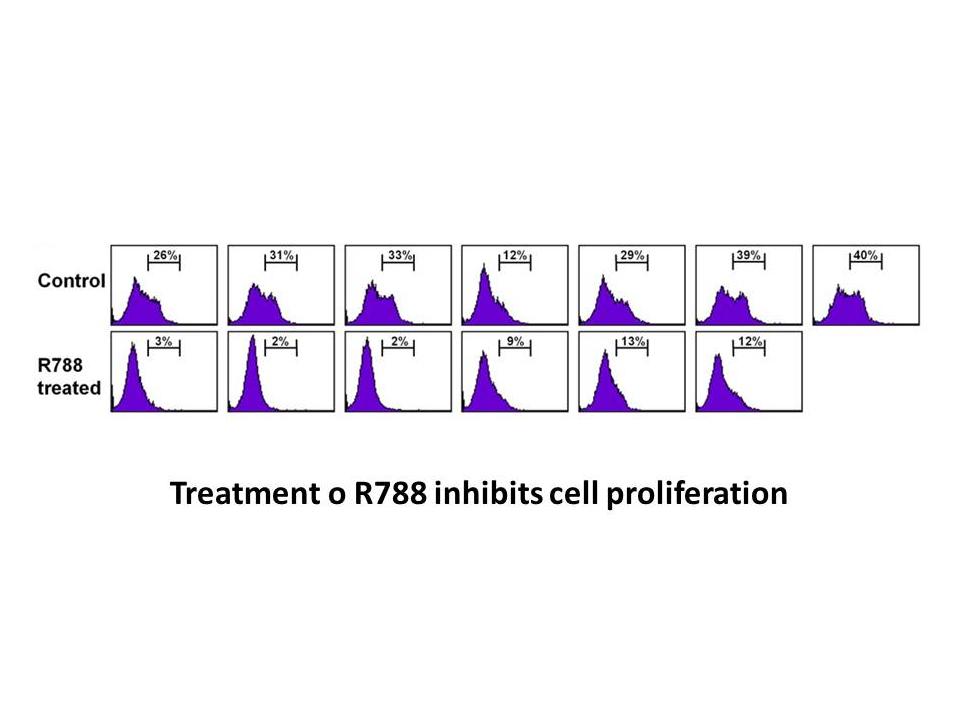
APN accounts for 0.01% of total plasma proteins in humans; this proportion increases with age to a small extent (Barb et al., 2007). Normal APN levels in the circulation range 3–30μg/mL (Aprahamian and Sam, 2011). APN levels are lower in men than women due to the presence of testosterone and even mo
-
In fact serotonin is a
2024-05-17
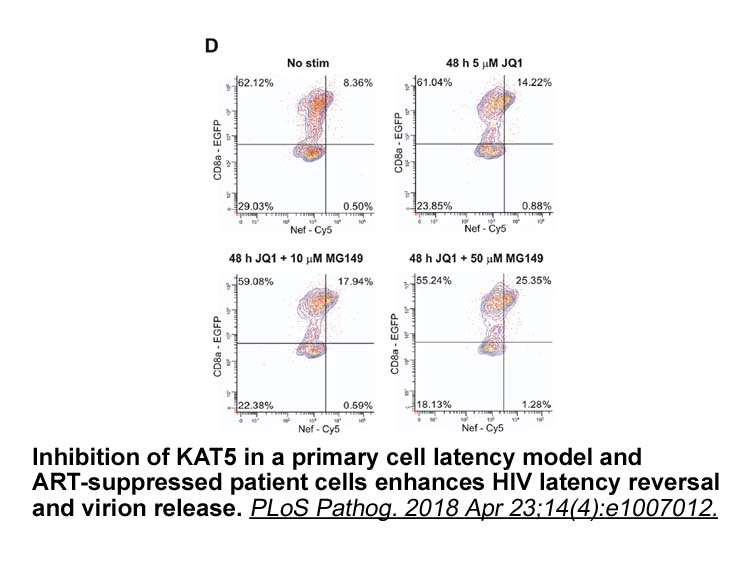
In fact, serotonin is a major modulator of dopaminergic (DA) neuronal activity through the 5-HT2C receptor. Studies have shown that the selective 5-HT2C receptor agonist Ro60-0175 blocks the burst-firing of mesolimbic DA neurons, which project from the ventral tegmental area (VTA) to the nucleus acc
-
The activation of P Rs modulates the
2024-05-17

The activation of P1Rs modulates the activity of many ion channels and receptors (Sebastião and Ribeiro, 2009) and the recent detection of P1Rs at the postsynaptic level of the adult NMJ (Garcia et al., 2014) makes potentially possible an adenosine-mediated modulation of the nicotinic XL 184 recepto
-
Further investigations were concerned to study the mechanism
2024-05-17
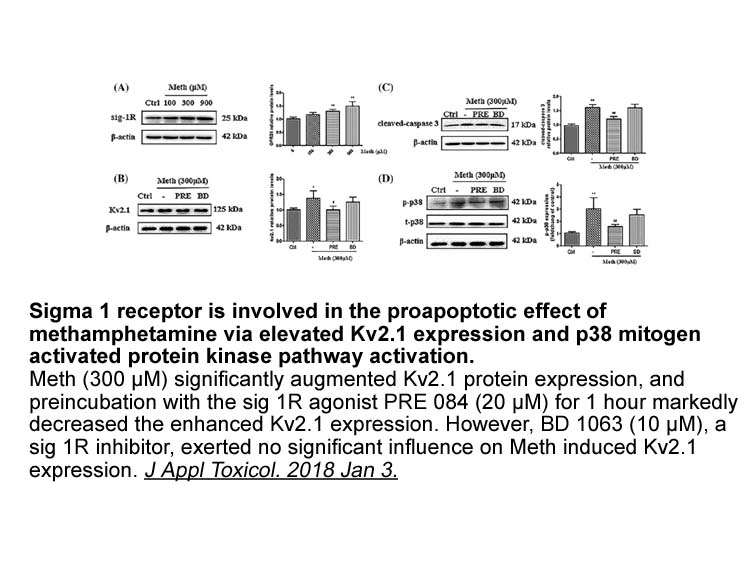
Further investigations were concerned to study the mechanisms by which GABA modulates adenosine-mediated effects in hippocampal tissue. From these results it can be concluded that endogenous GABA exerts an inhibitory effect through GABAA receptors via a predominant adenosine-mediated action and this
-
The first suggestions that the cleaved intracellular
2024-05-17
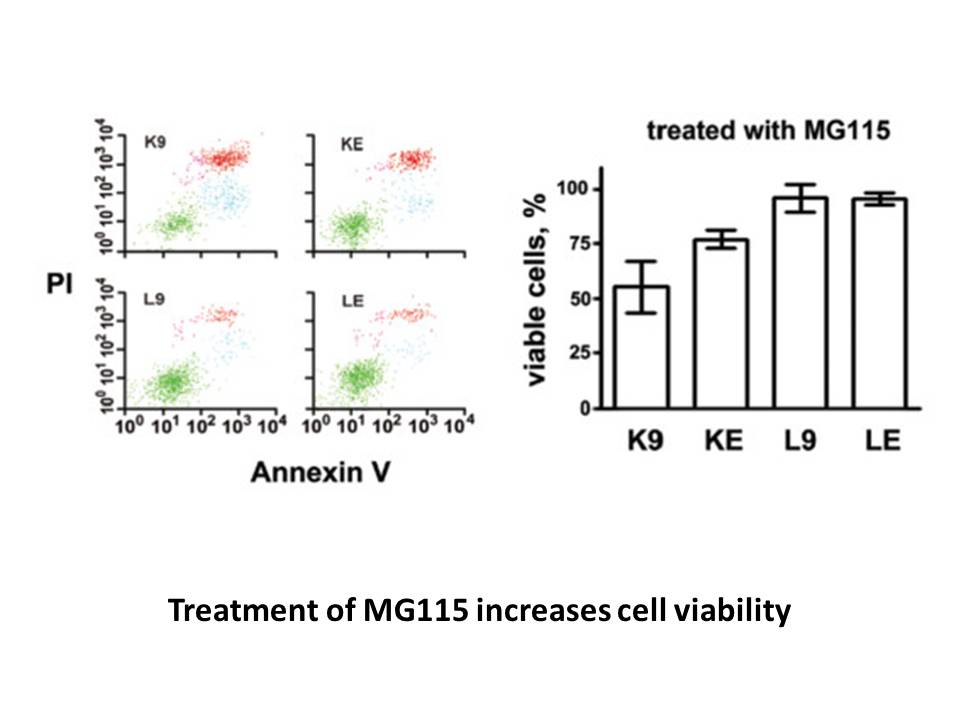
The first suggestions that the cleaved intracellular domain of APP, AICD, might transit to the nucleus and hence selectively regulate gene transcription arose from analogies with the Notch receptor signalling system where similar intra-membrane proteolysis occurs [84], [85] and it was later confirme
-
The ATX LPA signaling axis has been
2024-05-17
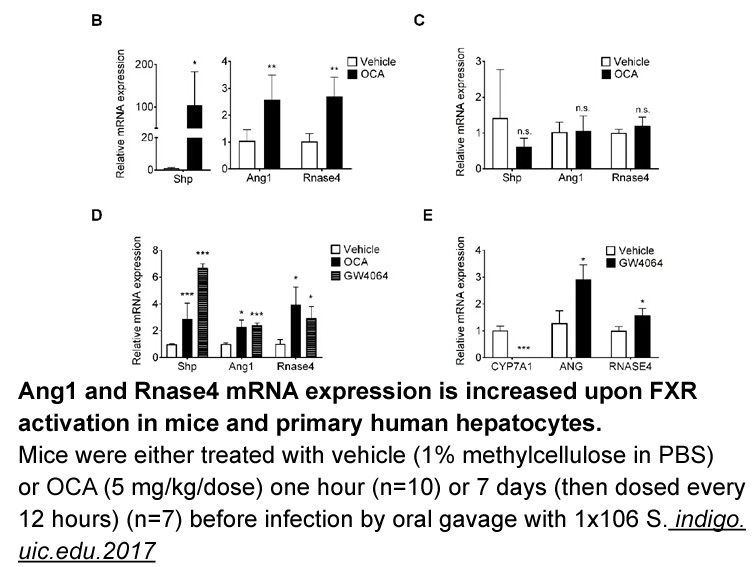
The ATX–LPA signaling “axis” [5] has been implicated in a perplexing variety of physiological and pathophysiological processes, including vascular and neural development [5], [26], [27], [28], [29], tumor progression and metastasis [30], [31], lymphocyte trafficking [22], bone development [32], neur
-
Evidences have suggested that impairment of CK
2024-05-16
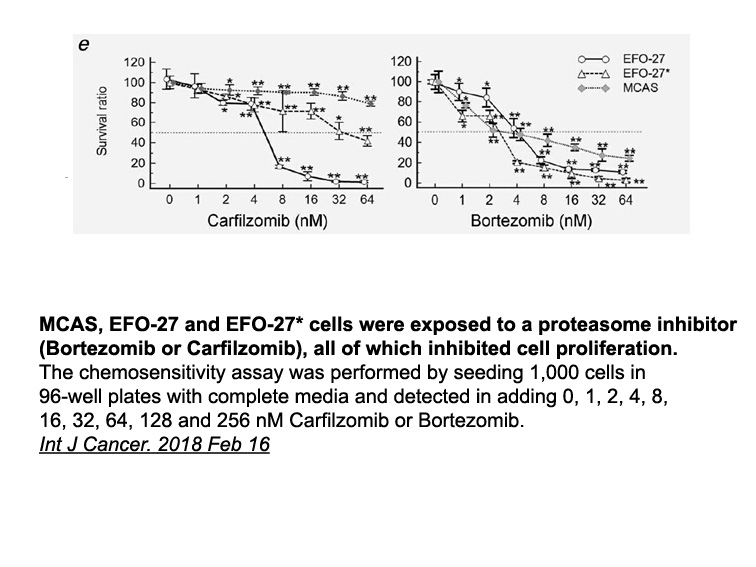
Evidences have suggested that impairment of CK activity contributes to inhibition of Na+, K+-ATPase and H+-ATPase activities during infectious diseases, since these ATPases are dependent of ATP, as observed by Baldissera et al. [31] in fish experimentally infected by Aeromonas caviae. We observed th
-
Several genes related to metabolism post
2024-05-16
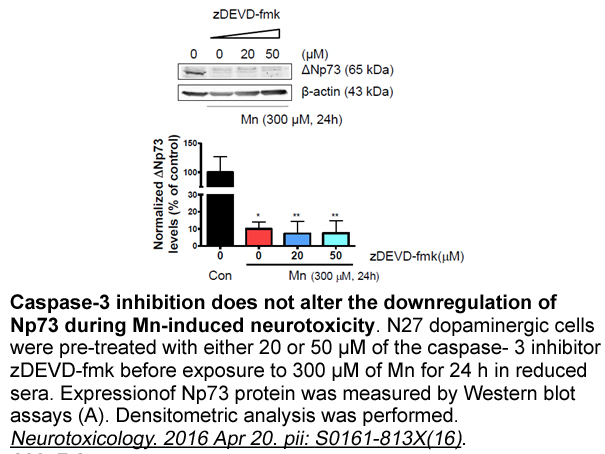
Several genes related to metabolism, post-transcriptional regulation, chromatin structure, and signaling pathways are required for the sexual development and virulence of G. zeae (Baldwin et al., 2010, Bluhm et al., 2007, Ding et al., 2009, Han et al., 2007, Hou et al., 2002, Jenczmionka et al., 200
-
NHS-12-Biotin Introduction Lipoxygenases LOXs are key
2024-05-16

Introduction Lipoxygenases (LOXs) are key enzymes that catalyze the polyunsaturated fatty acids (PUFAs) such as arachidic NHS-12-Biotin (AA), linoleic acid (LA) and others unsaturated fatty acids (Brash, 1999). LOXs are expressed in immune, neural, epithelial, tumor cells and other cells (Claesson
16029 records 171/1069 page Previous Next First page 上5页 171172173174175 下5页 Last page